DCU Routing Number: 211391825


We provide a range of free services and ways to making banking easier.

Stop paying big bank fees. Make the Switch to DCU.
Featured Results
Your Recent Searches
No Recent Searches Found
Did you mean:
But let's try once more with some tweaks
- Make sure all words are spelled correctly
- Try using fewer words
- Try using more general keywords
- Try different keywords or spellings
Sorry, We couldn't find what you are looking for. It could be because of many reasons.
But let's try once more with some tweaks
- Make sure all words are spelled correctly
- Try using fewer words
- Try using more general keywords
- Try different keywords or spellings
Hi, anything I can help you with?


Financial Education Center
Get answers to common financial questions and dive deeper into topics like auto and student loans, mortgages, personal finances, and more.


Digital Tools and Tips to Simplify Saving
It’s easy for bills to pile up. Stay on track and increase your savings by using these digital tools and tips from DCU to simplify saving.
Fraud Articles

How to Identify Signs of Elder Financial Abuse
If you are concerned a relative may be the victim of elder financial abuse, check out this guide from DCU. Learn the signs and what you can do to help.
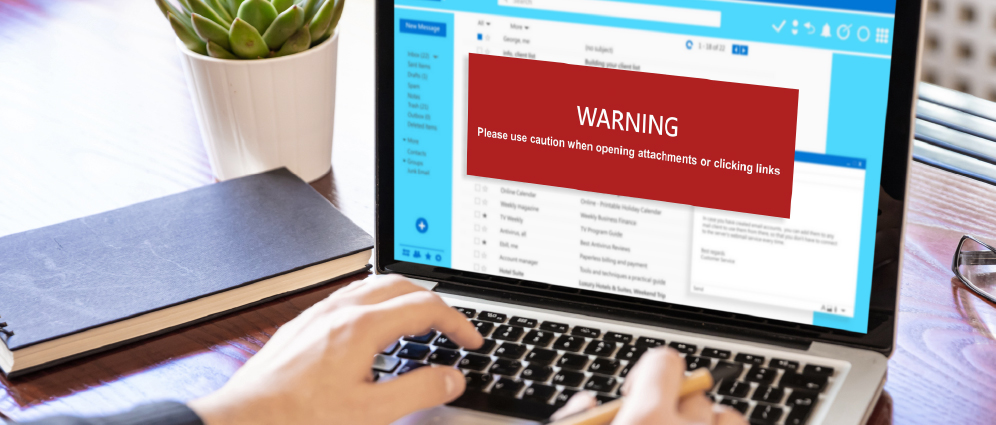
Your Complete Guide to Impersonation Scams, and How to Avoid Them
Impersonation scams are a constant threat to our financial well-being. Follow this guide from DCU to learn how to avoid becoming a victim to a variety of scams.

What is Social Engineering and How Do I Protect Myself From It?
Social engineering is how hackers manipulate people into giving up private data. Find out more about what it is and how to protect yourself from it.

Phishing and Pharming Scams: What to watch for
Phishing and pharming are two common types of scams, intended to manipulate individuals into providing confidential information for fraudulent purposes. Here’s some tips on how to spot them.

Why You Need to Keep Your Devices and Web Browsers Up to Date
Keeping your devices and web browsers updated is essential to protecting you against fraudulent activity and theft of sensitive financial information.
Fraud Videos
Fraud Podcasts
Podcasts provided courtesy of 
Auto Loans

How to Refinance Your Car Loan
Want a better interest rate, lower payment or both on your auto loan? With this guide from DCU, learn how to refinance a car loan, which could help you save.

How Do Car Rebates and Dealer Incentives Work?
Many car dealers offer enticing incentives on new cars, including 0% interest, rebates, and bonus cash. DCU explains how rebates and deals really work.

5 Tips for Online Car Buying
Shopping online can make car buying easier, and help avoid the hassle of dealerships. Here are several to keep in mind when considering a contactless experience.

3 Signs You Should Refinance Your Car
Refinancing your auto loan can add up to big savings, but only if the time is right. Here are the three signs you should look for when considering an auto loan refinance.

Your Guide To Auto Loan Refinance
Find out the right time for a refinance auto loan. Discover the value of refinancing your car and how to get the lowest auto refinance rates.

What Are Green Auto Loans?
Explore the benefits of green auto loans, the best loans for electric car financing, and how DCU can help you purchase your dream clean-energy car.

How Does Your Credit Score Affect Buying a Car?
Wondering “how does your credit score affect buying a car?” From purchase power to how your score is impacted, this article from DCU has the details.
Understanding Car Rebates and Incentives
Many dealers offer enticing deals on new cars, including 0% interest, rebates, and bonus cash. DCU explains how rebates and incentives really work.

What is a Joint Loan?
Read as DCU explains what joint loans are, how they work, plus how they differ from individual loans and co-sign loans, and more.

The Perks of Financing Before Car Shopping
If you're planning a vehicle purchase, you probably have an idea of your budget. But have you considered how much that purchase will end up costing over time? Getting approved for auto financing before you hit the dealership can help you get the best deal.

What to Look for in an Auto Loan Refinance
If you’re considering refinancing an auto loan to save money, it’s important to evaluate the terms and make sure you’re getting the best deal. Here are 3 things to look for when comparing auto refinance options.

How to Sell A Car with A Loan
Looking to buy a new or used vehicle but stuck with negative equity? Explore DCU’s guide which details how to sell a car you have a loan on.

When Is the Best Time to Buy a Car?
Learn about the best time of the year, month, and week to buy a car with tips from DCU. You could save money on your next auto purchase.

Love Your Car But Not Your Loan?
If you’re unhappy with your car loan and wondering if there’s potential to lower your monthly loan payment, you might want to consider refinancing. This article explains how refinancing works and when it makes sense.

Where Is the Best Place to Get a Car Loan?
If you are in the market for a new or used car, you have options for financing. Discover which institution types might have an option that suits your needs.

Be Prepared Before Buying a Car
Whether you’re shopping new or used, get tips from DCU on the car-buying process. Learn how to get a good deal and be happy with your car loan.

5 Reasons to Get Your Next Auto Loan from a Credit Union
Finding a car that checks all the boxes on your list can take some effort. When you find the right one, it can be tempting to make a quick decision to accept dealership financing. However, financing your auto purchase with a credit union can save you in the long run.
Credit Cards

Understanding Your Credit Score and How to Improve It
Learn how to improve your credit score. It might be simpler than you think to understand, improve and maintain your credit, especially with the help of DCU!

How to Manage Credit Card Debt
Explore tips for paying off credit card debt and staying debt-free. Learn more about how DCU, a not-for-profit credit union, can help you thrive financially!

How to Use Mobile Wallets for Secure Shopping
Mobile wallets are gaining in popularity as a way to make secure, contactless payments. Follow our simple tips for getting started.

Is a Credit Union Credit Card Worth It?
Wondering about the differences between credit union credit cards vs bank credit cards? Read about the many benefits of credit union credit cards.

Is Buy Now, Pay Later a Good Idea?
Interested in buy now, pay later versus using credit cards? DCU offers this resource to help detail the differences and benefits of each purchase option.

Using Your Credit Card Wisely
Responsible use of credit cards can help you improve your credit score and make the most of your credit card rewards. Try these tips from DCU to use your credit card wisely.

Store Cards: Are They Worth It?
It pays to evaluate credit card offers carefully before signing up for introductory offers. Avoid the pitfalls of store credit cards with tips from DCU.

How to Stretch Your Holiday Budget
Watch for these hidden holiday costs and learn how to stretch your dollar further as you shop with these tips from DCU.

How Does a Balance Transfer Affect Your Credit Score?
A balance transfer can help or hurt your credit score depending on a few factors. Learn how balance transfers work with this article from DCU.

Tips for Holiday Credit Card Spending
Holidays are a time for celebration, giving, and inevitably—spending. DCU offers tips for using credit cards wisely during the holiday season

Credit Cards for Everyday Spending
When and why should you use credit cards? And how can you use credit cards responsibly? DCU offers guidelines for credit card use.

Credit Cards: A Beginner’s Guide
New to credit cards? DCU helps explain the basics of credit cards — how to qualify, build credit, and spend responsibly.

Credit 101: Understanding What Credit Is and How it Works
Explore DCU's Credit 101 guide to learn the fundamentals of credit, empowering you to build your score and gain buying power.

Build Your Credit with Credit Cards
Building your credit and improving your score shouldn’t be complicated. Utilizing a Visa Credit Card from DCU can help you achieve your credit goals.
Home Equity

Home Improvements With the Highest ROI
Thinking of using your HELOC for some home improvement projects? Use these ideas from DCU as a guide to help you get the most bang for your buck.

Using Your HELOC for Energy Efficient Upgrades
Energy efficiency upgrades are a great way to use your HELOC and increase the value of your home. Consider some of these green (and highly desired) updates.

When Not to Use a HELOC
Using a home equity line of credit (HELOC) is often a convenient tool, but there are times when it should be avoided. Discover how to use your HELOC wisely.

HELOC or Home Equity Loan: What’s the Difference?
HELOCs and Home Equity Loans both provide an opportunity to access your home’s equity with DCU. But there are a few key differences that are worth exploring.

5 Smart Uses for a HELOC
A home equity line of credit (HELOC) can be a great way to fund a number of life events and financial situations. Learn how to use a HELOC to your advantage!

Pay Off Seasonal Spending
Seasonal spending on high interest credit cards can get expensive fast. Your HELOC can consolidate seasonal expenses and may lower your credit utilization.

How Does HELOC Utilization Affect Your Credit?
While your HELOC utilization can be reported to the credit bureaus, you can maintain or even increase your score by making timely payments.
Home Mortgage Loans

How Much Home Can You Afford?
Buying a home may be one of the most expensive purchases you’ll make so it’s important to carefully consider your budget before setting out on the search for your dream home. You’ll want to have enough leeway so you can cover unexpected expenses, save for the future, and live the life you want.

7 Tips On How to Save For Your First Home
There are many resources available to first-time home buyers. From grants to savings accounts, saving for a first home is possible, especially with the help of DCU

Getting Your Home Ready to Sell?
Putting your home on the market? You’ll want your home to stand out – in a good way! Consider if your home could benefit from a few updates before you place the For Sale sign out front. These tips can help you focus on what buyers will see and remember.

How Important Are Mortgage Rates?
There’s always buzz around interest rates and how they affect mortgage payments. DCU provides a customized quote and guides you through the impact mortgage rates have on your loan.

Fixed Rate Mortgage vs. ARM (Adjustable Rate Mortgage)
DCU examines fixed-rate versus adjustable rate mortgages, comparing and contrasting how they can serve the needs of different homebuyers.

Should I Rent or Buy?
Owning a home is a big part of what many consider to be the American dream. But is it always the best financial decision?

Is It a Good Time to Buy a Home?
Are you thinking of buying a home? Consider housing market trends and your own financial situation before making leap into homeownership with DCU.

Homebuyer Beware: 7 Things to Watch Out For
If you’re in the market for a house, you probably have an idea of what you’re looking for. But there are also things you should make sure aren’t at your future home. Here are eight things to look out for.

Your Debt-to-Income Ratio and Why It Matters
Understanding the impact of your debt-to-income ratio and how to calculate it will help you set a budget for buying a home.

How Much Do I Need for Closing Costs?
If you’re preparing to buy a home, you probably have a plan in place for covering the down payment. But have you considered how to pay for closing costs? Closing costs are the expenses and fees required to complete a real estate transaction and finalize a mortgage.

Buying a Home? Improve Your Credit Score First.
Focus on improving your credit and getting into great financial shape with tips from DCU before applying for a mortgage.

Buyer’s Market vs. Seller’s Market: What’s the Difference?
In the world of real estate, the phrases ‘buyer’s market’ and ‘seller’s market’ can either excite you or make you apprehensive. But what exactly do they mean to you as a homebuyer or seller? This guide could help.

How to Make a Competitive Offer in a Seller’s Market
Are you ready to make an offer on a home in today’s competitive market? With insights from DCU, you can create a strong offer to stand out from the crowd.

Simple Ways to Reduce Home Costs
Maintaining a home comes with plenty of rewards, but also plenty of bills, from electricity to upkeep to gas for the lawnmower. Following these seven easy tips can help you save some money along the way.

Items Needed to Apply for a Mortgage
Applying for a mortgage doesn’t have to be overwhelming if you know what to expect. Check out our mortgage application checklist and see what you may need to provide with your application.

Preapproval vs. prequalification – which mortgage option is right for you?
House hunting or ready to make an offer? Be prepared for any scenario by having a mortgage prequalification or a mortgage preapproval.

When Can You Lock in a Mortgage Rate?
Searching to buy a new home and wondering if and when you can lock in a mortgage rate? Explore this guide from DCU.

What Is a Mortgage Modification, and When Would You Need One?
If you start struggling with your monthly mortgage payments, you might start worrying about what this could mean. Lenders offer a service known as mortgage modification that can provide relief and help you avoid foreclosure.
Mortgage Refinance

Mortgage Refinancing 101: When is Refinancing Worth It?
Interested in paying off your mortgage faster or using better credit? Learn how refinancing your mortgage could benefit you.

Refinancing a Mortgage: How It Works
Are you thinking about refinancing your current mortgage? DCU explains what’s involved, including the pros and cons of refinancing, and how much it can cost you.

Why Refinance with A Credit Union?
Refinancing your home mortgage with a credit union offers some unique advantages. Find out why refinancing with a credit union like DCU could be a smart move.

What is a Cash-Out Refinance?
The equity in your home can be leveraged into cash through a cash-out refinance. DCU explains how cash-out refinancing works and when it makes financial sense.
Personal Loans

How to Get a Personal Loan
Interested in taking out a personal loan, but not sure where to start? In this article we outline the process: what information you'll need, how your application is reviewed, and when you can expect the funds if approved.

Top 10 Questions About Personal Loans
Personal loans can be used for just about anything - but how exactly do they work? DCU offers answers to 10 of the most common questions around personal loans.

Credit Cards vs. Personal Loans: What’s Right for You?
Sometimes you need to borrow money to ride out a financial emergency. To get the flexible financing you need, you may look to credit cards and personal loans to help. But how do you know which one is right for you and your needs?

When Is a Personal Loan a Good Idea?
Sometimes you need to borrow money to ride out a financial emergency. To get the flexible financing you need, you may look to credit cards and personal loans to help. But how do you know which one is right for you and your needs?
Student Loans

How to Reduce Student Loan Payments in Times of Crisis
In times of crisis, many people have problems paying their expenses, including their monthly student loan payments. So, what are your options if you need help?

Federal Student Loan Updates – Repayment and Next Steps
On June 30, 2023, the U.S. Supreme Court struck down the proposed federal student loan debt forgiveness program. So what happens now?

Why Refi Your Student Loans with a Credit Union?
You’ve decided to refinance one or more of your student loans – now how do you find the right lender? With so many options available, finding the right option can seem overwhelming. While there are many factors to consider, here are several reasons to select a credit union for your student loan refinance needs.

What Types of Student Loans are There?
Figuring out where to go to school is part of the puzzle, but what about student loans? DCU offers this guide that breaks down the different loan types.

Fixed vs. Variable Rate Student Loans
Discover the pros and cons of fixed and variable rate student loans, and see why borrowing from DCU is a great option for private student loans.

CARES Act 2022: What You Should Know
Federal student loan payments will resume when the CARES Act expires. Learn more about your payment options and student loan refinancing with DCU.

Ways to Pay for College-How to Fill the Funding Gap
You may know that college is your future plans, but the financial aspects of that journey may be less certain. Explore some of your college budgeting options.

Is it Easy to Refinance Student Loans? Refinance in 5 Steps
Student loan refinance may seem complicated. DCU simplifies the process with five steps to help you determine whether you should refinance your student loans.
Budgeting/Saving

Why You Shouldn’t Keep Balances on Payment Apps
With the rising popularity of payment apps, it’s becoming more common to leave balances on Venmo, Cash App, and PayPal. Learn why this isn't a good idea.

How to Save for a Dream Vacation
Learn how much to save for a dream vacation and how budgeting can make travel affordable. Plan ahead - your dream destination doesn't have to leave you in debt.

How to Manage Finances as a Freelancer
Money management for freelancers is different from getting a salary, but it's not too complicated. Consider DCU membership for more financial education and support.

The Financial Importance of Having a Will and Estate Plan
What is a will? Who needs one? Turns out it's important for all adults to have a will. Learn the basics of estate planning when you read this article from DCU!

How to Plan For Inflation in Retirement
Learn about the impact of inflation on retirement savings and the best ways to adjust your retirement plan. DCU can help plan for your financial future.

5 Hidden Account Fees and How to Avoid Them
Are you getting nickel and dimed by your checking account? Check out 5 hidden fees you might not realize you're paying–-and how to avoid them.

How To Negotiate Your Salary and Benefits
Learn about negotiating benefits and salaries to maximize your job offer, raise or promotion.

9 Common Financial Mistakes and How to Avoid Them
Learn how to avoid money problems and how planning for the unexpected can help build wealth. Let DCU help you build a healthy financial future!

7 of the Best Ways to Use Your Tax Refund
Explore DCU’s tips on some of the best ways you can use your tax refund to save for the future and improve your financial health.

Interest Rates and Annual Percentage Rate (APR) Explained
Understand how APR and interest rates differ, how both are relevant in different situations and how APR and interest rates affect your finances.

11 Benefits of Joining a Credit Union
Learn about the benefits of a credit union membership. From better interest rates to community advocacy, there are many reasons to become a member today!

What Is a High-Yield Savings Account and How Does it Work?
How do high-yield savings accounts work, exactly? Learn how your funds could be accessible while still earning you returns! Get your account started today!

How to Budget for a Wedding
Learn how much the average wedding costs, breaking down different expenses such as the venue, catering, music and more to see where you can trim your budget.

How to Avoid Overspending During the Holidays
Learn how to save for the season and prevent overspending during the holidays. Start your new year on the right financial track with help from DCU.

The Importance of Emergency Funds and How To Build One
Learn how to build an emergency fund and why it’s important to have one. DCU is always here to provide financial education. Look into DCU membership today.

Digital Tools and Tips to Simplify Saving
It’s easy for bills to pile up. Stay on track and increase your savings by using these digital tools and tips from DCU to simplify saving.

The Impact of Inflation on Savings and Investments
Learn about inflation and how it affects your savings. DCU offers education and competitive interest rates to help keep your finances thriving.

How to Set Financial Goals and Achieve Them
Learn why it is important to set financial goals and how to get started. With many ways to help you achieve your goals, DCU can help you take your next steps!

Are Credit Unions Safe For Your Savings?
The answer to “Are credit unions safe?” is a resounding “Yes.” Why? Learn how credit unions are protecting their members, here. Start saving with DCU, today!

4 Smart Steps to Manage Subscription Spending
Trying to save some extra money? Consider reviewing how much you spend on subscription services in order to cut some unnecessary spending out of your monthly budget.

How to Open a Bank Account
Learn about how opening a bank account can benefit you, and what sort of documentation you'll need to get the process started.

How to Manage Elderly Parents' Finances
Sandwich Generation members face challenges, especially when it comes to how to manage elderly parents’ finances. Learn more with this guide from DCU.

Planning Finances & Savings for Your New Baby Arrival
Raising children is expensive and there’s a lot to figure out. DCU offers this guide to help parents with planning finances for a new baby’s arrival.

“Extra” Paycheck? Here’s What To Do With It
Have you ever heard of an extra paycheck month? DCU explains these months when you may receive an additional paycheck and provides tips for spending and saving.

Using My Credit Card Overseas: 7 International Travel Credit Card Tips
Follow these simple tips from DCU, a not-for-profit credit union, that detail using your credit card overseas, and how you can save yourself a lot of money.

How to Get a Credit Line Increase
Learn how to get a credit line increase and whether that’s a good idea from DCU, a credit union with 23 branch locations and more than a million members.

The Secret to Saving: Track Your Spending
Learn how to make saving a priority and save money toward financial goals. DCU offers effective tips on reducing spending in order to boost savings.

High-Yield Checking vs. High-Yield Savings
Your money should work hard for you, but does that mean placing it in a high-yield checking or high-yield savings account? DCU offers insight to help you understand your options.

Fall Back in Line with Your Budget
Maintaining a home comes with plenty of rewards, but also plenty of bills, from electricity to upkeep. Following these seven easy budgeting tips can help you save some money along the way.

The Credit Union Advantage
Credit unions offer the same financial services that banks do, but typically come with several key distinctions that can make a huge difference for members.

Earn More with Your Checking Account
Are you making the most of your checking account? Understanding how your checking account works and maximizing the benefits can help you reach your financial goals faster.

Save Money, Spend Time Enjoying Summer
We want you to make the most of the season while also reaching your financial goals, so we’ve gathered some financial tools and budget-friendly activities to help.
College Planning

Appealing your Award Letter
Check out this guide from DCU if you need to appeal your award package after completing your FAFSA, and have gotten your college award letter.

College Planning During Uncertain Times
Looking for helpful college planning resources? DCU offers these tips, which are meant to help organize you — even during uncertain times.

Do I Have To Pay Back Financial Aid
Making sense of financial aid can be confusing since there are so many different types of aid as well as parameters surrounding each type. Depending upon the type and source of financial aid, you may actually have to pay it back. Here are the different types of aid to help you better understand if and when it would need to be paid back

Do’s and Don'ts of Student Loans
It’s important to look at as many sides as possible before taking on new debt so that you can make the best decision for yourself and your future. Let’s go over some tips for you to consider as a student.
Additional Resources
We believe that achieving your financial goals starts with education. That’s why we’re committed to providing up-to-date, educational articles, videos, and more on our website. Additionally, all members get access to a variety of resources through our trusted partners.
Mortgage Learning Center
Purchasing a home, or refinancing, is one of life’s biggest financial decisions. Check out our new educational hub, so you can start your mortgage journey with expert knowledge.
Student Loans
Explore your loan options with our partner Credit Union Student Choice. They’ll help answer any questions you may have about the process while providing educational content on a variety of topics.
Balance Program
A free service by phone or online to provide members with confidential, no-cost financial counseling and education services.

853 Donald Lynch Boulevard
PO Box 9130
Marlborough, MA 01752-9130
ABA Routing Number: 211391825
NMLS# 466914
Download Our App



Federally insured by NCUA
